
The 2026 OUR KIDS Private School Expo is coming to cities near you. Get your family pass
1
Camp Basics
Responsibility is:
• Awareness of the relationship between behaviour and consequences
• Willingness to take ownership of consequences, good and bad
Camp encourages responsibility in kids, “[getting them] to the point where they start seeing things that need to get done [without the] need to ask it,” in the words of Audrey Monke. "Ultimately, kids feel better knowing that they can be responsible for themselves." Below the list, read definitions of independence from camp leaders like Monke, as well as parents and campers, and learn how experiences at camp foster this trait. Read more

Senior Competitive
Sep 12, 2026 - Jun 12, 2027
Elite coaching in speech and debate for teens ready to lead, compete, and communicate with confidence in any setting. Visit website |

Grade 4 Reading Comprehension, Writing, Public Speaking and Debate Online Program
Sep 09, 2026 - Jun 22, 2027
Power of Words Academy is committed to providing the highest quality of written and oral communication training to children. Visit website |

Grade 3 Reading Comprehension, Writing and Public Speaking Program
Sep 09, 2026 - Jun 22, 2027
Our goal is to create a solid foundation upon which exceptional writing & oral skills build. Classes are weekly for 90 mins. Visit website |

Grade 5-6 Reading Comprehension, Writing, Public Speaking and Debate Program
Sep 09, 2026 - Jun 22, 2027
Our program runs during the school year from September to June with classes held once a week for 90 minutes. Visit website |

Grade 3 Reading Comprehension, Writing and Public Speaking Online Program
Sep 09, 2026 - Jun 22, 2027
Power of Words Academy is committed to providing the highest quality of written and oral communication training to children. Visit website |

Grade 2 Reading Comprehension, Writing and Public Speaking Program
Sep 09, 2026 - Jun 22, 2027
Our goal is to create a solid foundation upon which exceptional writing & oral skills build. Classes are weekly for 90 mins. Visit website |

National Lifeguard
May 29 - Oct 25, 2026
Must have completed Bronze Cross (needs not be current)and Standard First Aid with CPRC- must be current. Visit website |

Grades 7-8 Reading Comprehension, Writing, Public Speaking and Debate Program
Sep 09, 2026 - Jun 22, 2027
By the end of the program, your child will have the talent to write fantastic essays and deliver strong speeches! Visit website |

Grade 7-8 Reading Comprehension, Writing, Public Speaking and Debate Program
Sep 09, 2026 - Jun 22, 2027
An enrichment writing and oral communication program geared for high achieving students who want to succeeding academically! Visit website |

Grade 4 Reading Comprehension, Writing and Public Speaking Program
Sep 09, 2026 - Jun 22, 2027
Our goal is to create a solid foundation upon which exceptional writing skills can be built. Classes held weekly for 90 mins. Visit website |

Grade 5-6 Reading Comprehension, Writing, Public Speaking and Debate Online Program
Sep 09, 2026 - Jun 22, 2027
Power of Words Academy is committed to providing the highest quality of written and oral communication training to children. Visit website |

Trombone Lessons (In-Home, Online, or Studio)
Sep 15, 2025 - Dec 31, 2026
Professional trombone lessons with highly educated teachers: PhD, DMA, MMus. Free 1st lesson! Visit website |

KidStrong Classes
Apr 13, 2026 - Apr 13, 2030
We're a child development program that builds kids’ strength, confidence, and life skills through fun, structured, programs! Visit website |

Performance Program: Grade 1-8
Sep 15, 2026 - Jun 16, 2027
Students learn & rehearse a musical, and perform a fully staged show at the end of each session. No prior experience needed! Visit website |

Intro to AI Fundamentals
Aug 21 - Nov 28, 2026
Live virtual AI workshops for families. Real tools, real projects, and real-world learning with a data scientist. Visit website |

Coed - CILT 1
Jul 18 - Aug 07, 2027
CILT 1 will teach you leadership skills and you will make some great forever friends. All skills learned are transferable Visit website |

Red Wolf Overnight Camp Leaders in Training (LIT) Program
Jul 28 - Aug 28, 2027
Meet them at the Camp Expo - Feb 21
Designed for teens passionate about developing leadership skills, self-growth, and practical expertise in the wilderness. Visit website |
Leadership Program: July 5-16, Ages 15 +
Jul 05 - Jul 16, 2027
Mentorship through: Leadership, Supervision, Communication, Event Planning, Conflict Resolution, and More! Visit website |

Kodiak Junior -- An Introduction to Overnight Camp (Boys)
Jul 04 - Jul 17, 2027
Meet them at the Camp Expo - Feb 21
Kodiak Junior provides 6 to 9 year-old campers with an introduction to overnight camping and the Camp Kodiak experience. Visit website |

Kodiak Junior -- An Introduction to Overnight Camp (Girls)
Jul 04 - Jul 10, 2027
Meet them at the Camp Expo - Feb 21
Kodiak Junior provides 6 to 9 year-old campers with an introduction to overnight camp and a sample of the Kodiak magic. Visit website |
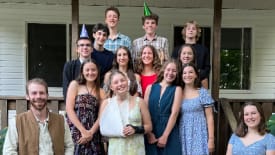
Coed - CILT 2
Jul 04 - Jul 17, 2027
Learn how to lead a group of children, how to communicate to different learning levels, all skills learned are transferable. Visit website |

Coed - Junior Leadership
Jul 25 - Jul 31, 2027
Want to learn how to lead a church group, school group, work together as a group this program is for you. Visit website |

Little Rockers Band Program (Beginner & Intermediate)
Sep 15, 2025 - Dec 31, 2026
Learn to play your favorite songs in a band setting. Learn teamwork and accountability as you work together in a band. Visit website |

Banjo Lessons (In-Home, Online, or Studio)
Sep 15, 2025 - Dec 31, 2026
Learn to play the banjo with expert teachers: PhD, DMA, MMus. Online, in-home, or studio. Free 1st lesson! Visit website |

Guitar Ensemble Program
Sep 15, 2025 - Dec 31, 2026
Play guitar in a group ensemble. Learn your favorite songs, music, and video game sound tracks. Have fun! Visit website |

Euphonium and Baritone Lessons (In-Home, Online, or Studio)
Sep 15, 2025 - Dec 31, 2026
Professional Euphonium and Baritone lessons with expert teachers: PhD, DMA, MMus. Free 1st lesson! Visit website |

Ukulele Jam Program
Sep 15, 2025 - Dec 31, 2026
Our ukulele after school program is fun, rewarding, & challenging. Learn to sing & play your favorite songs! Visit website |
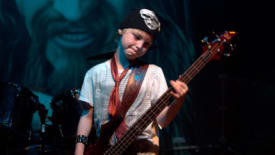
Bass Guitar Lessons (In-Home, Online, or Studio)
Sep 15, 2025 - Dec 31, 2026
Have fun learning to play bass guitar with highly educated teachers: PhD, DMA, MMus. Free 1st lesson! Get inspired! Visit website |

LIT Program (Leadership Program)
Jun 30 - Aug 30, 2027
An exciting and challenging program that includes leadership training, mentorship of campers, and activity instruction. Visit website |

Saxophone Lessons (In-Home, Online, or Studio)
Sep 15, 2025 - Dec 31, 2026
Fun, affordable saxophone lessons with professional teachers (PhD, DMA, MMus.). Have fun while learning. Free 1st lesson! Visit website |
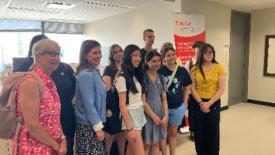
Leadership Program: July 19-30, Ages 15 +
Jul 05 - Jul 30, 2027
Mentorship through: Leadership, Supervision, Communication, Event Planning, Conflict Resolution, and More! Visit website |
Other results on this page:
“Responsibility in kids,” begins Audrey Monke, consists of “learning to do tasks for themselves without requiring constant supervision, needing to be reminded, needing to be watched or needing someone else to keep track of things for them.” It could be simple tasks they complete on their own, like brushing their teeth, knowing their routine, or keeping track of their belongings. “It’s really just learning to do it for yourself. It’s contributing and helping out with your family and community, without having to be ... externally reminded.”
The author of Happy Campers draws on impressive personal experience in her understanding of, and helping children develop responsibility. She’s owner and director of Gold Arrow Camp, a youth summer camp in California. She also operates SunshineParenting.com and runs a podcast wherein she interviews parenting experts, authors and youth development professionals. Happy Campers is an acclaimed parenting guide that offers parents nine secrets from summer camp they can implement at home. Her professional insight comes from over 30 years of first-hand experience with thousands of children, young adult staff, and parents, work that began with a Masters in Psychology focused on youth wellbeing and social skills.
She sees her job now as “working with parents, teachers and camp counsellors and giving them simple tools to create the connection and happiness that we create at camp.”
Responsibility is a skill children develop over time. Typically, they’re taught responsibility by watching their parents, counsellors and teachers model this trair. However, children learn even more fully, when given duties of their own.
Monke illustrates from Gold Arrow Camp how responsibility can be developed within a child. One summer, she saw that whenever camp counsellors told campers to grab their bathing suits to go swimming, many campers didn’t know where their bathing suits were or couldn’t find them in their bags. “It was there,” she explains, “but it had been very carefully packed by their parents who weren’t there.” From then on, she’s requested that parents let children pack their own bags. Parents can coach, support and check their children’s bags to ensure they have everything they need, but this simple task will begin to develop responsibility within a child.
“It’s a very unsettling feeling,” she says, “to not know where your things are or to feel like you can’t find something. Ultimately, kids feel better knowing that they can be responsible for themselves.”
At camp, she always encourages children to ask, “what else can I do?” She’s seen campers finish up an activity then leave their supplies behind without cleaning up. Rather than assuming you’re done with an activity and can leave, it’s important to ask the person in charge what else you can do to help. “What eventually happens [after asking this],” she says, “is that [kids] get to the point where [they] start seeing all the things that need to get done and [they] may not need to ask it anymore.” At camp, she sees children adopt and develop these responsible behaviours for themselves.
Camp gives children models they can follow. They’re given tasks and they see consequences of not following through with responsibilities. A welcoming environment is necessary to ensure that the child feels supported as they navigate through their decision-making processes.
Sherri Cully, parent of a camper at Radiant Girls camp, agrees with Monke that responsibility is “key in life.”
She believes it’s necessary to be accountable for your own actions to function in society. Her daughter, Hailey, has become more responsible since attending Radiant Girls. There, she was made aware of the repercussions of her actions, and developed a sense of accountability.
“Because [Hailey was] given specific things [she] had to do,” she learned responsibility, “not only for specific chores … but also to own her actions.” Camp focused on the notion that every action had a reaction and Sherri believes this mentality helped her daughter foster and nurture her own sense of responsibility.
“Probably the most important thing is that you’ll have a better life,” Monke begins. The benefits of responsibility are endless. “Kids will have better relationships, they’ll do better in their career, they’ll be able to manage their home, their finances, everything.” When parents teach children responsibility from an early age, they have a solid foundation to grow on, as they get older.
Responsibility is a key trait people look for when they’re considering someone to work with or someone to be friends with. Monke attests to the fact that people are drawn to “someone [who] is dependable and responsible and will follow through on something that is their job or duty, whatever that may be.” This can, in turn, be foundational to developing other valuable traits.
When a child learns responsibility, they learn about perseverance, patience, hard work, time management, accountability, and more. They learn the importance of following through with their tasks, developing this as a habit, without being told. In turn, they develop independence and feel needed as others recognize their reliability.
What we teach camp counsellors ... is to allow the kids the time they need to figure it out. It’s really hard to do this as a parent.
When they develop responsibility at an early age, children gain experience in thinking through options in challenging situations. They learn personal accountability, grow problem-solving skills and improve decision-making. These all help children later, in real-world scenarios, as they face academic challenges, navigate the workforce and grow into adulthood.
Monke sees that when children exercise responsibility in camp, it gives them empowerment and confidence. She believes that, “increased responsibility and becoming more capable [helps kids] gain confidence by actually doing things.” Give children independent tasks like vacuuming or putting their toys away, and they “feel so grown up ... they take the task so seriously.”
The singular aspect about camps that encourages responsibility “is that your parents aren’t there,” says Monke. Knowing they can’t run back to their parents for help, they learn to figure things out on their own. “And also, the adults in charge have more children that they’re watching so by default, kids need to do more for themselves. It’s actually really good for kids to be in environments where they’re asked to be responsible for more than themselves.”
Something as simple as hanging a sweatshirt is an act of responsibility. At home, a parent might be more likely to do a task like this for them. “A default behaviour for parents is to just do [things] for [their] kids, especially when it’s expedient,” Monke explains. Of course, “default behaviour for kids is to wait ... and see if someone else is going to step in,” she adds. “What we teach camp counsellors ... is to allow the kids the time they need to figure it out.” She emphasizes that these tasks might then take longer to complete, but that’s necessary, to give children personal lessons in responsibility. ”It’s really hard to do this as a parent,” that’s why it benefits them to let children go to camp, she says. The thing to remember, though, is that these "experiences are really helpful for kids," as unique opportunities "to take responsibility.”
If you find it difficult to step back and allow your child to learn responsibility, camp is a great teacher. At camp, children learn on their own, listen to instructions, work as a team, develop leadership skills, work as a team, and follow through with duties. The independence of camp fosters responsibility as they respond to situations without parents present.
How many Camps that develop responsibility are there?
There are 31 camps that are Our Kids trusted members. Use the filters to narrow by age and program type, then click on matched programs to see daily activities, dates, rates and registration information.
What are the fees to attend Camps that develop responsibility?
Fees for camps that help kids grow in responsibility range from $40 to $2,700 per program (program types and lengths vary). Use the filters here to narrow programs by age and type.
Where can parents meet with Camps that develop responsibility?
Meet with program directors and staff at the Our Kids Camp & Program Expo. The Expo is held annually in February, and is a fun and informative day for parents, kids, and teens. Find event details and free tickets here.


Summer camp is more than a seasonal activity. [Read more]

CIBC Grouse Snow School programs combine fun, learning, and adventure for every skier and snowboarder. [Read more]

How Adventure Valley promotes a close-knit camp community [Read more]

How one charitable organization helps send kids to summer camp[Read more]
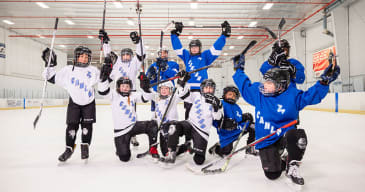
Canlan Sports camps offer first-rate hockey instruction in a fun and inclusive environment [Read more]


|

|

|

|

|

|

|

|
 |
 |
 |
 |
 |
By logging in or creating an account, you agree to Our Kids' Terms and Conditions. Some information presented on this page may be paid advertising provided by the advertisers and is not warranted or guaranteed by OurKids.net or its associated websites. By using this website, creating or logging into an Our Kids account, you agree to Our Kids' Terms and Conditions. Please also see our Privacy Policy. OUR KIDS ™ © 2026 All rights reserved.