The 2026 OUR KIDS Private School Expo is coming to cities near you. Get your family pass



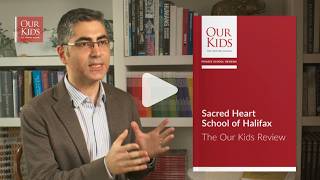
Interview with Sacred Heart School of Halifax Alum, Kogie Esteban
Verified Review
OUR KIDS verifies every review by confirming the reviewer’s identity and their firsthand experience with the school. Learn more
- Name
Kogie Esteban - Grades (year)
Gr. 11 - Gr. 12 - University (major)
St. Francis Xavier University (Chemistry) - Gender
Male - Enrolment
Day student - Job/Career
MSc Chemistry Candidate
Highlights from the interview
Sacred Heart School of Halifax is a community that fosters a global perspective. The school brings together students from all over the world and doesn’t just celebrate diversity—it integrates it into daily life. Sharing a classroom with people from different cultures helped me develop empathy and awareness that still shape how I approach my work and research today. Students came from a range of cultural, economic, and personal backgrounds. Those differences showed up in the languages we spoke, the holidays we celebrated, and the perspectives we shared in class. Some students came from local families with long ties to the school, while others, like me, were new to Canada. Despite these differences, there was a shared sense of responsibility, kindness, and respect that tied the community together.
What stood out most to me was how people genuinely looked out for one another. As an international student far from home, I never once felt like I was on my own. My host family quickly became more than just a place to stay—they helped me adjust to life in Canada, supported me through hard weeks, and celebrated my milestones like their own. Teachers weren’t just instructors; they were adults in my life who noticed when I was struggling and encouraged me to keep going. The consistent support both inside and outside the classroom made a lasting difference for me.
The school community was grounded in mutual respect and care. You didn’t have to fit a specific mould to be seen or valued. Sacred Heart’s culture allowed each student to grow at their own pace without feeling alone. Values like service, compassion, and accountability weren’t just taught—they were lived through how students treated one another and how staff handled challenges. It was a place where empathy wasn’t performative, and where doing well also meant doing good.
The leadership at Sacred Heart stood out for how personal and attentive it was. The head of school knew each of us by name and took the time to learn who we were, what we cared about, and how we were doing both academically and personally. The leadership team was present in daily life, not just at big events. They listened carefully, responded fairly, and handled issues with firmness and compassion. Their presence helped create a safe, supportive environment and instilled trust across the school community.
Academically, the school prepared me well for the transition to university. The Advanced Placement (AP) program gave me a strong foundation, especially in math and science. I remember referring to my high school notes during my first-year university courses, which shows how well the material was taught. Small class sizes meant you couldn’t hide, but they also ensured personalized feedback and regular check-ins. Although the course offerings were more limited than larger schools, the quality of instruction more than made up for it. The structured, focused approach helped me build study habits that I still rely on in graduate school.
- Extracurriculars were open and welcoming, even for students trying something new. I joined both the senior school musical and cross-country running, activities I had never tried before. Students didn’t need to be the best to participate, and the low-barrier approach encouraged exploration. Many events were student-led or teacher-supported, which made involvement feel meaningful. While the range of clubs wasn’t endless, students were encouraged to create new ones based on their interests. The focus was always on participation and growth rather than competition.
The teachers are what I remember most vividly about my Sacred Heart experience. They were deeply invested in both our learning and our well-being. As someone far from family, I turned to teachers for mentorship and guidance, and they always showed up. Whether it was encouragement during exam periods, recommendation letters, or simply checking in, their care extended beyond academics. A few teachers directly inspired my interest in science and chemistry—interests that have shaped my current career. They taught us not only the curriculum but also how to think, reflect, and persevere.
Student life at Sacred Heart was defined by close connections. Because of the school’s size, everyone noticed one another’s successes and struggles. Teachers, friends, and staff regularly checked in, creating a tightly woven community. Life wasn’t loud or event-driven, but it was consistent, safe, and predictable, providing a calm environment for personal growth.
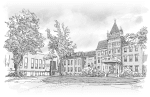
Being located in downtown Halifax offered a lot of flexibility. I often ate lunch at the Public Gardens or took walks near the waterfront, just ten minutes from campus. Halifax felt safe and well-connected, and the school itself had character—older, beautiful, and well-maintained. While outdoor space was limited, the school compensated with access to off-site facilities for sports and events. Having more green space on campus would have been an added benefit, especially in the warmer months.
The Homestay program was one of the most important parts of my experience. My host family cared deeply and helped me navigate everything from my first Canadian winter to university applications. They attended school events, helped with essays, and made space for both celebration and homesickness. Their support made all the difference, especially during my first year, and we’ve remained close ever since. Combined with the English as an Additional Language program and international student outings, Sacred Heart created an environment where students from all backgrounds could thrive.
The admissions process was more conversational than formal. As an international student, I expected something intimidating, but instead, the team took time to know me as a person, not just my grades. They wanted to see if the school was right for me, not just if I was right for the school. That approach set the tone for the years that followed—it was always about genuine connection and fit.